 FICC
One macro framework for rates, FX, credit, and commodities, helping investors connect cross-market signals and position with clarity and conviction.

The crisis hitting regional and local banks in the US is adding to oil-price volatility and gold demand. The crisis arguably is fallout from the Fed’s aggressive monetary policy tightening, and contributes to the upending economic relationships that reliably informed policy, investments and forecasts in the past. This feeds into higher price volatility, which reduces liquidity in the short run, and impedes capex in the long run, which limits future supply growth.

April’s CPI report was soft enough to justify a Fed pause in June. However, the overall economic data still don’t justify the magnitude of rate cuts priced into the yield curve.

The ECB continues to focus on lagging indicators and risks once again to cause a policy error that unduly hurts European growth. What does it mean for investors?

The initial phase of the EU’s ambitious CBAM will launch 1 October and will begin collecting a carbon tax in 2026. Between now and then, it will be challenged as it attempts to put a price tag on CO2 emissions as imports cross the EU border. The CBAM will impart an inflationary bias in EU commodity and goods markets as 2026 draws near and importers have to secure EU ETS credits, the number of which, by design, will contract over time.

The Fed hiked 25 basis points at yesterday’s FOMC meeting while also signaling that the tightening cycle is now on hold. We discuss the short-run and long-run implications for Treasury yields.

This week we present our Portfolio Allocation Summary for May 2023.

Yen bulls need patience. The near-term narrative remains bearish on the back of interest-rate differentials. Longer term, it is the most attractive currency the G10, on valuation grounds.

Yen bulls need patience. The near-term narrative remains bearish on the back of interest-rate differentials. Longer term, it is the most attractive currency the G10, on valuation grounds.
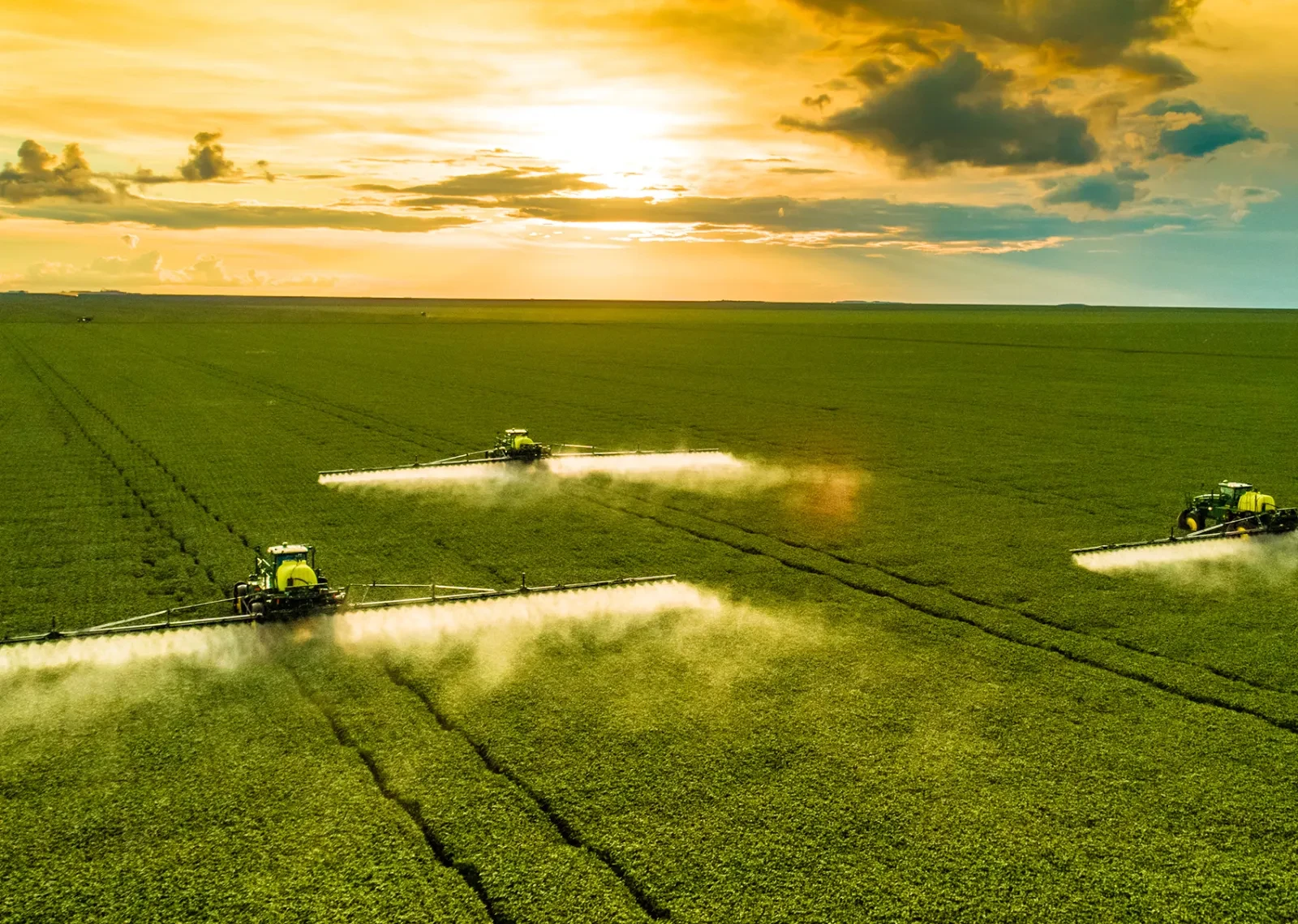
Fertilizer prices will continue to move lower as the natgas price shock touched off by the Russian invasion of Ukraine dissipates. As a result, we expect grain prices to soften another 10% this year. Food-price inflation will move lower over the course of the year as grain prices weaken, provided a weather- or geopolitical shock does not once again send natgas prices higher.
